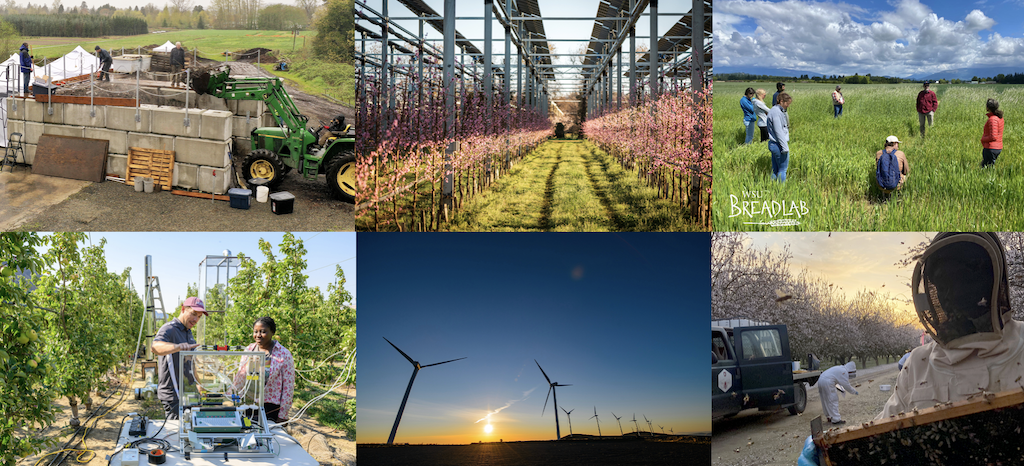
Climate Action across WSU
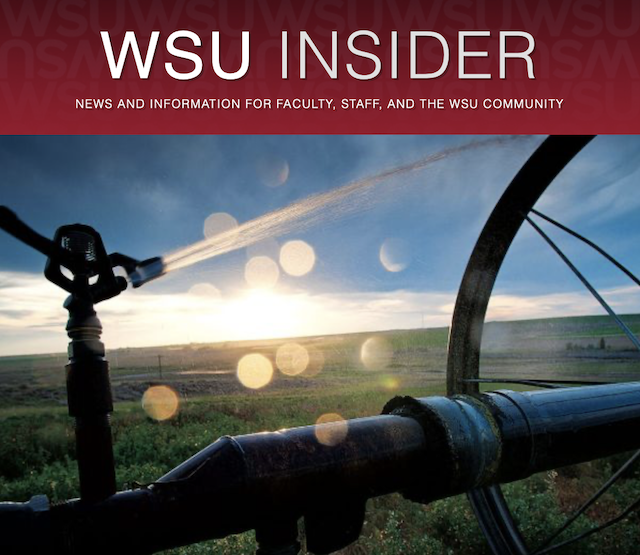
Rescue Mission
Groundwater from complex aquifers feeds irrigated crops worth billions, and it’s drying up. Washington State University researchers contribute to understanding and solving those water needs.
Bees thrive in overlooked pockets of Puget Sound
To the casual observer, it’s nothing more than an abandoned golf course.
But the land, along with other weedy, minimally maintained “marginal lands” in the Puget Sound area, is home to scores of wild bee species, including many never found before in Snohomish and King counties, according to a seven-year study by Washington State University researchers and others.

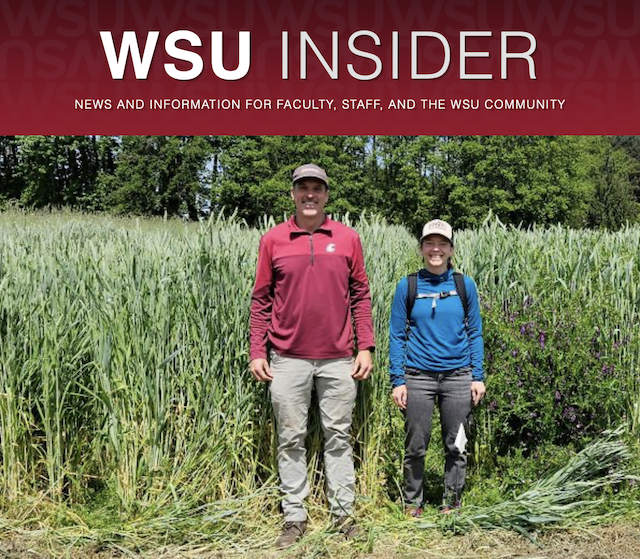
Early planting to avoid heat doesn’t match current spring wheat production
Planting wheat earlier in the spring to avoid crop damage from ever-hotter summers may not keep harvests on pace with current levels.
That’s a key finding from new research at Washington State University challenging assumptions that earlier planting could offset the effects of a warming climate.

Helping farmers, boosting biofuels: New WSU-led paper shows promising cover crop benefits
New research has found cover crops that are viable in Washington’s normal “off season” don’t hurt the soil and can be sold as a biofuel source.
Grant supports development of grid independent EV charging stations
A Washington State University-led team has been selected for a $4 million U.S. Department of Energy grant to develop a proof-of-concept electric vehicle (EV) charging station that relies on inexpensive bioethanol to produce carbon-negative electricity.

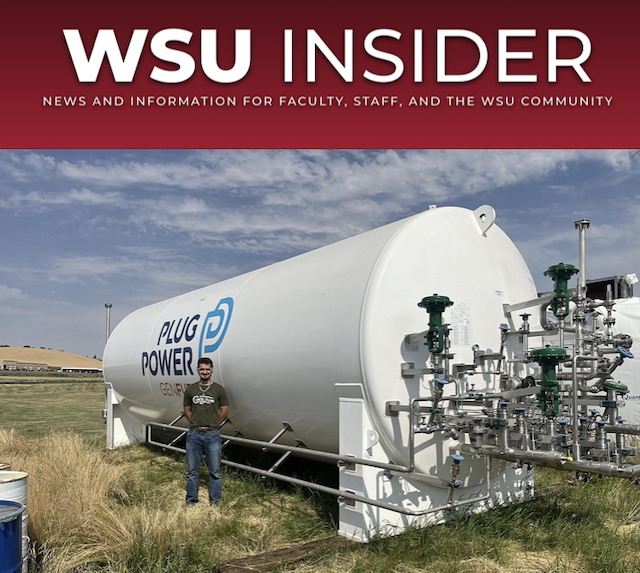
Study points way to more efficient liquid hydrogen tanks
Washington State University researchers have developed a mathematical model and a set of recommendations to improve liquid hydrogen storage tank operations that could someday make hydrogen a more viable alternative for powering vehicles and other industrial processes.
The researchers used real-world tank data to identify operational regimes in which hydrogen boils off and is lost, which can be as much as 25% of the hydrogen delivered to storage tanks.
WSU entomologist launches massive pollen-mapping project
Pollinators like honey bees require healthy food to survive and thrive. To learn more about the pollen they gather and the nutrients within it, Washington State University is leading a new endeavor dubbed the Pacific Northwest Pollen Atlas.
The new project, which aims to map and describe pollen, could impact pollinator health, and in turn, the food humans eat that depend on pollination.
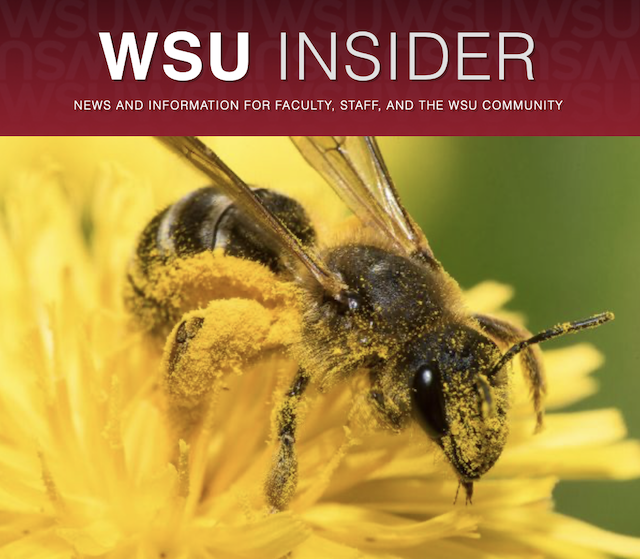
Grad Students across disciplines study climate’s effect on grain
Team collaborates to review science on the effects of heat and drought on grain development, and to identify pathways to Climate Smart wheat.
The team has published their review in The Plant Journal to significant levels of scientific interest.

WSU examines declining groundwater in regional aquifers
Groundwater is declining across Eastern Washington’s complex, interconnected aquifer system, as people draw on it for irrigation, drinking and other uses at a pace that threatens its sustainability, according to a new study by a Washington State University researcher.
In certain “hot spots” — such as the Odessa region and the Yakima Basin — the rates of decline are particularly significant, with groundwater levels dropping two to three feet a year or more.

Beneath an urban canopy
The Ravenholt Urban Forest Health Lab at WSU’s Puyallup Research and Extension Center is helping address Tacoma’s shortage of urban trees. With a tree canopy of 20 percent, Tacoma trails Seattle (28 percent) and Bellevue (37 percent), making it the least treed urban area in the Puget Sound region.
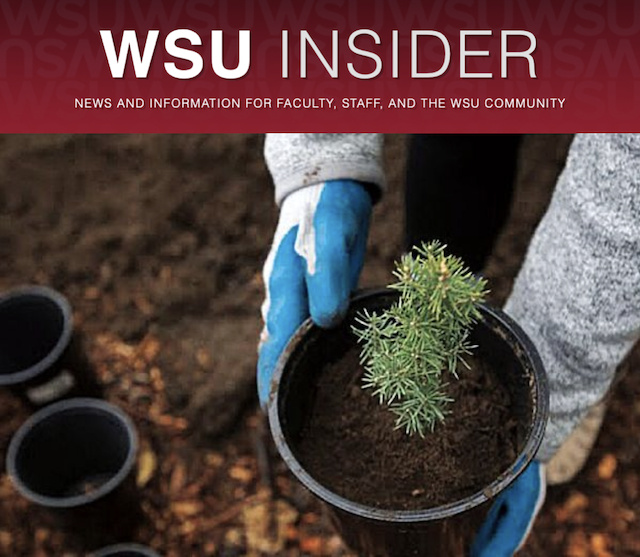
Puyallup Research and Extension Center’s compost facility generating first-of-its-kind emissions data
As Washington state directs more food and organic waste to compost piles instead of landfills, regulators are seeking to understand the impact of composting on air quality. Researchers are working to fill in the missing data at a new experimental compost plant at the WSU Puyallup Research and Extension Center. The new facility is already yielding useful, real-time measurements.
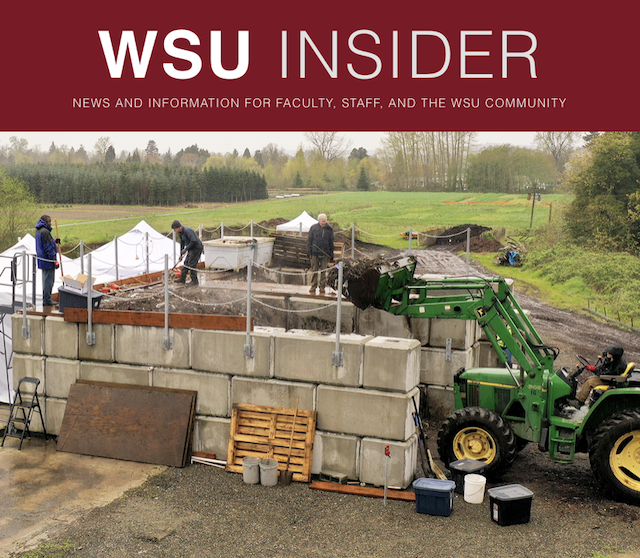
Scientists discover way to convert corn waste into sugar for biofuel
Scientists at Washington State University have found a new way to produce sugar from corn stalks and other crop waste, potentially opening a new pathway to sustainable biofuels.
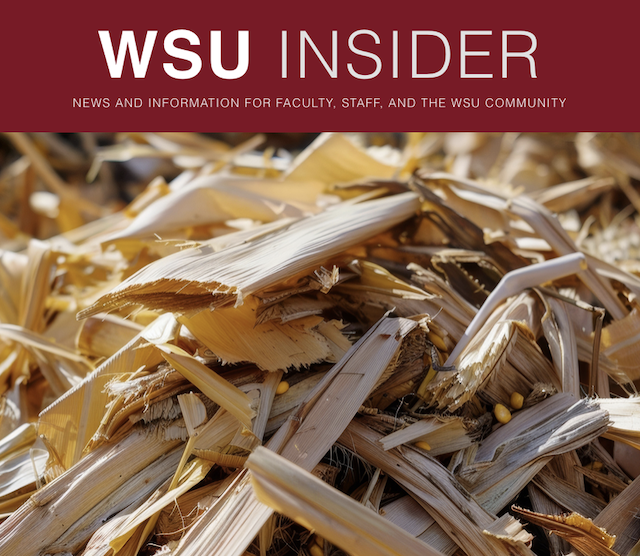
New ‘Matchless’ grass variety yields high seed count without need for field burning
A new variety of Kentucky bluegrass has been commercially released by researchers at Washington State University. “Matchless,” developed from another bluegrass variety called “Kenblue,” offers seed growers higher yields without the harmful air quality impacts of field burning that had been commonplace among growers for years. It also provides consumers with the option of a more environmentally friendly grass.
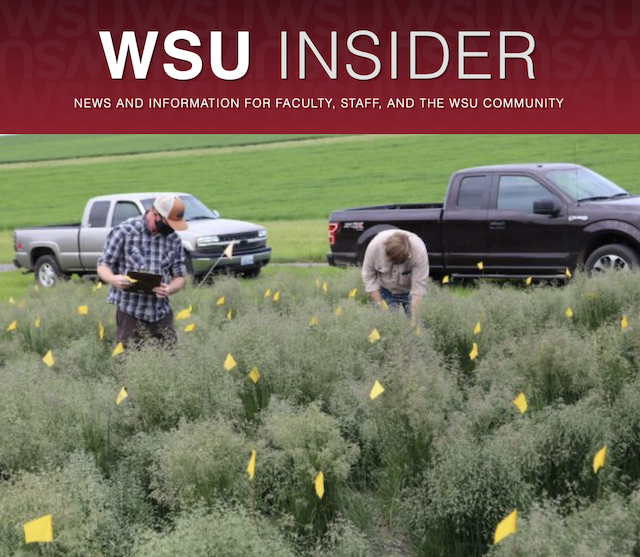
Researchers discover way to store hydrogen using lignin jet fuel
In a new study in the International Journal of Hydrogen Energy, Washington State University Professor Bin Yang and colleagues demonstrated that a type of lignin-based jet fuel they developed can chemically bind hydrogen in a stable liquid form. The research has many potential applications in fuels and transportation and could ultimately make it easier to harness hydrogen’s potential as a high energy and zero emissions fuel source.
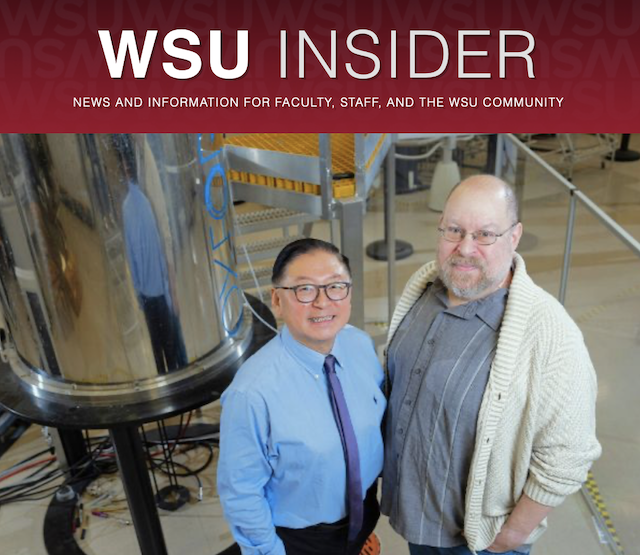
Honey Bees + Pollinators Program
The WSU Honey Bees + Pollinators Program is a cornerstone of the College of Agricultural, Human, and Natural Resource Sciences (CAHNRS) dedicated to fostering resilient ecosystems in Washington and beyond. Our mission intertwines innovative research, community engagement, and education to safeguard pollinators, pivotal to our food security and environmental health.
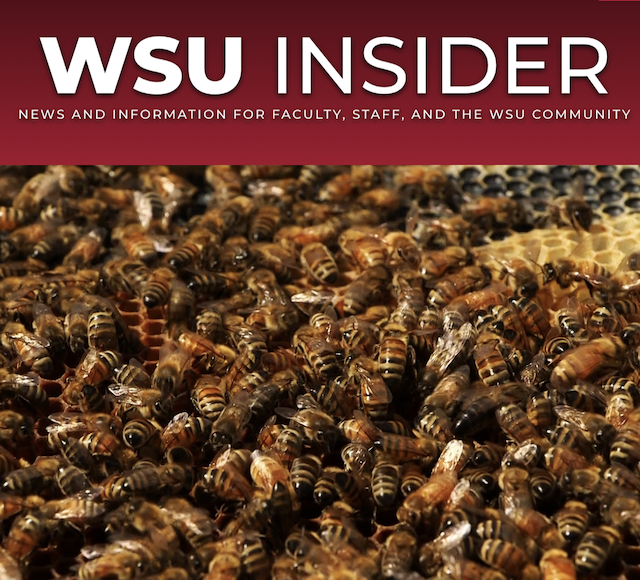
Honey bee colony declines grow as WSU researchers work to fight losses
Commercial honey bee colony losses in the U.S. could reach 60 to 70% in 2025, according to entomologists at Washington State University. Over the past decade, annual losses have typically ranged between 40 and 50%
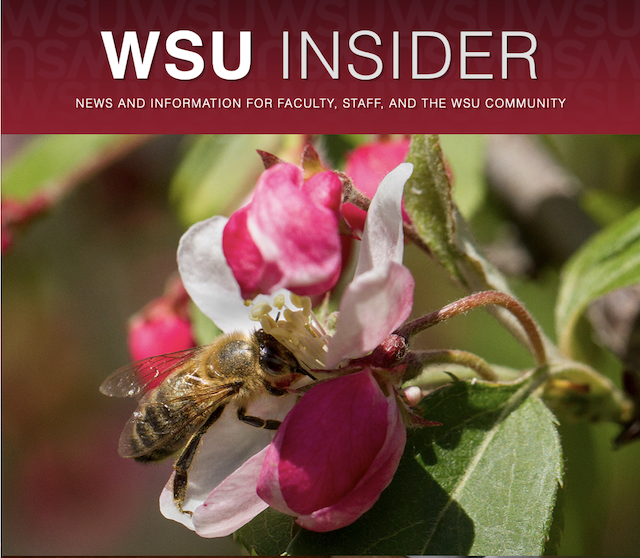
Honeybees at risk for colony collapse from longer, warmer fall seasons
A WSU-led study found that climate change will likely make more good flying weather for honeybees in the autumn — raising the likelihood of colony collapse in the spring. The famous work ethic of honeybees might spell disaster for these busy crop pollinators as the climate warms, new research indicates.

INEF to demonstrate dual-use capability of solar panels in apple production
Washington State University’s Institute for Northwest Energy Futures (INEF) has received a $2.4 million grant from the Washington State Department of Commerce to demonstrate the economic and agricultural feasibility of using solar panels concurrent with apple production in Washington.
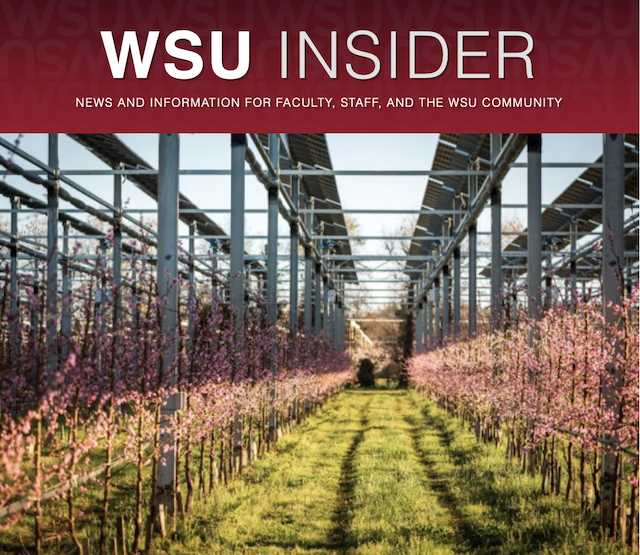
Prime apple-growing areas face increasing climate risks
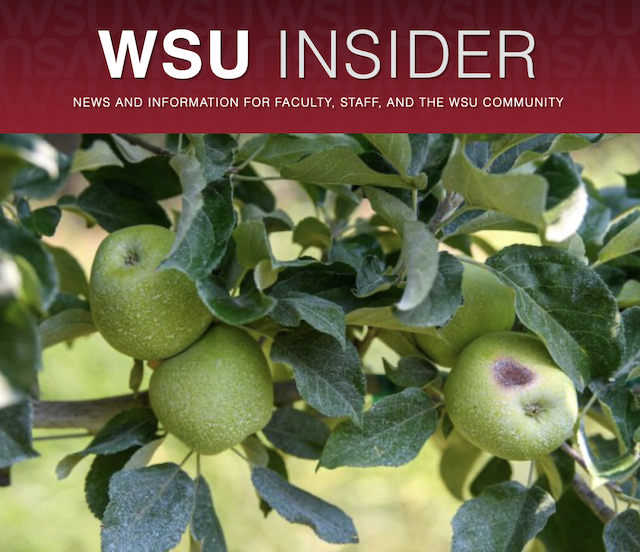
Some of the most productive apple regions in America are facing big challenges from a changing climate, according to a Washington State University study. In particular, the largest, Yakima County with more than 48,800 acres of apple orchards, has seen harmful trends in five of the six metrics the researchers analyzed.
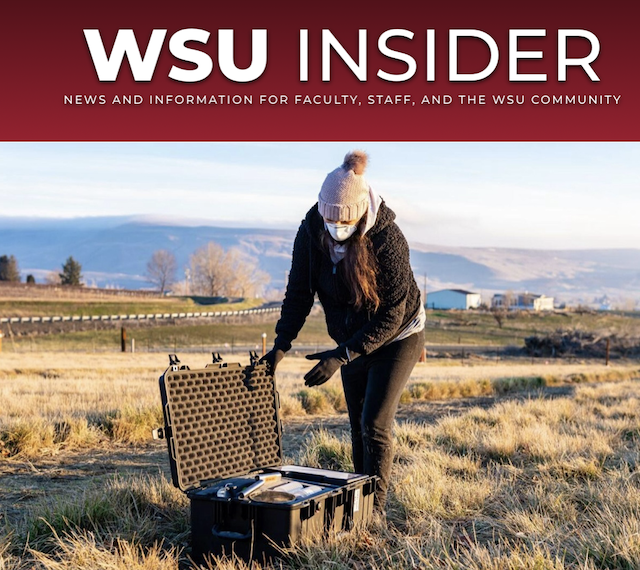
New soil virus database reveals unknown diversity
Soil scientists including researchers from Washington State University recently published a new Global Soil Virus Atlas online in the journal “Nature Microbiology.” The team is now investigating whether these soil viruses have a long-overlooked impact on the climate and soil health.
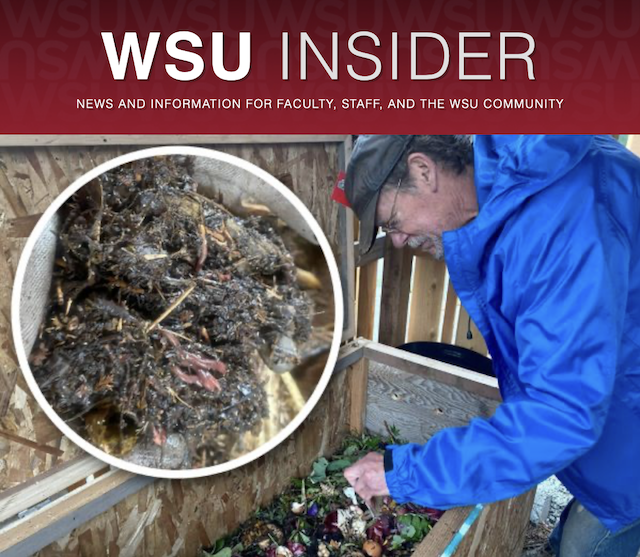
WSU Extension unveils food-recycling ‘worm chalet’ in Skagit County
Inside their new chalet-style home near Burlington, thousands of worms are dining on food waste from the local Extension office, converting it to valuable soil while helping curb greenhouse emissions.
New grant will help researchers protect apples, pears from extreme climate events
Washington State University scientists will lead nationwide research addressing the impact of extreme temperatures on apple and pear crops. A team of 21 scientists from seven institutions are working to mitigate stresses on some fruits and develop strategies that limit future risks.
U.S. Butterfly Populations are severely declining
Butterfly populations are declining across the United States at an alarming rate, a new study has found. “This is the most comprehensive assessment of U.S. butterfly population trends ever undertaken,” said Cheryl Schultz, professor of conservation biology at Washington State University

At-risk butterflies more likely to survive with human help
Some of the butterflies most in danger of fluttering out of existence fare better when their habitats are actively managed by humans, a WSU-led study found.
Extension tackles climate awareness
Groups of gardening enthusiasts were huddled around lab tables examining preserved insect specimens, learning the tell-tales signs of invasive pests that a warming climate could bring to the Pacific Northwest.

WSU Addresses Climate Change on Multiple Fronts
At Washington State University, more than 60 departments are active in climate-related research, work that in many cases has been under way for decades. It’s a priority rooted in the university’s land-grant mission of service informed by its science.

WSU partners with community colleges to enhance urban forests
Washington State University is working with four community colleges to improve tree canopy cover in several urban areas throughout the state.

Grant supports helping the power grid prepare for the future
A Washington State University-led research team has been selected to receive a $2.4 million U.S. Department of Energy (DOE) grant to better prepare the power grid for the changing world of electricity production, including the increasing use of renewable power and the increase in extreme weather events related to climate change.

WSU energy initiatives partner to provide sustainable solutions
Washington State University’s new Institute for Northwest Energy Futures (INEF) is partnering with the WSU Extension Energy Program to come up with solutions for how to better supply affordable, sustainable energy to the people and enterprises of Washington state.

Heat, cold extremes hold untapped potential for solar and wind energy
Conditions that usually accompany the kind of intense hot and cold weather that strains power grids may also provide greater opportunities to capture solar and wind energy.

Climate Extremes Lab
One of the key School of the Environment (SoE) faculty labs driving our scientific understanding and futuristic vision of life on Earth is the Climate Extremes Lab of Dr. Deepti Singh at WSU Vancouver.
Students and research scientists in the Climate Extremes Lab study climate change and variability, focusing on timescales and events affecting agriculture, human health, and global environmental change.

WSU Breadlab
Through innovation and discovery, education and advocacy, WSU Breadlab is leading the movement to put nutrition and sustainability at the center of our conversation about food.

Guide on how to use climate data to inform human adaptation
The Washington State University-led research draws on the expertise of climate and social scientists to show how data on different characteristics of climate variability can be used to study the effectiveness of various human responses to climate change.

Sustainable fertilizer production
Sustainable methods to produce synthetic ammonia for fertilizer can be cost competitive with the current fossil-fuel based method, according to a Washington State University study.
